
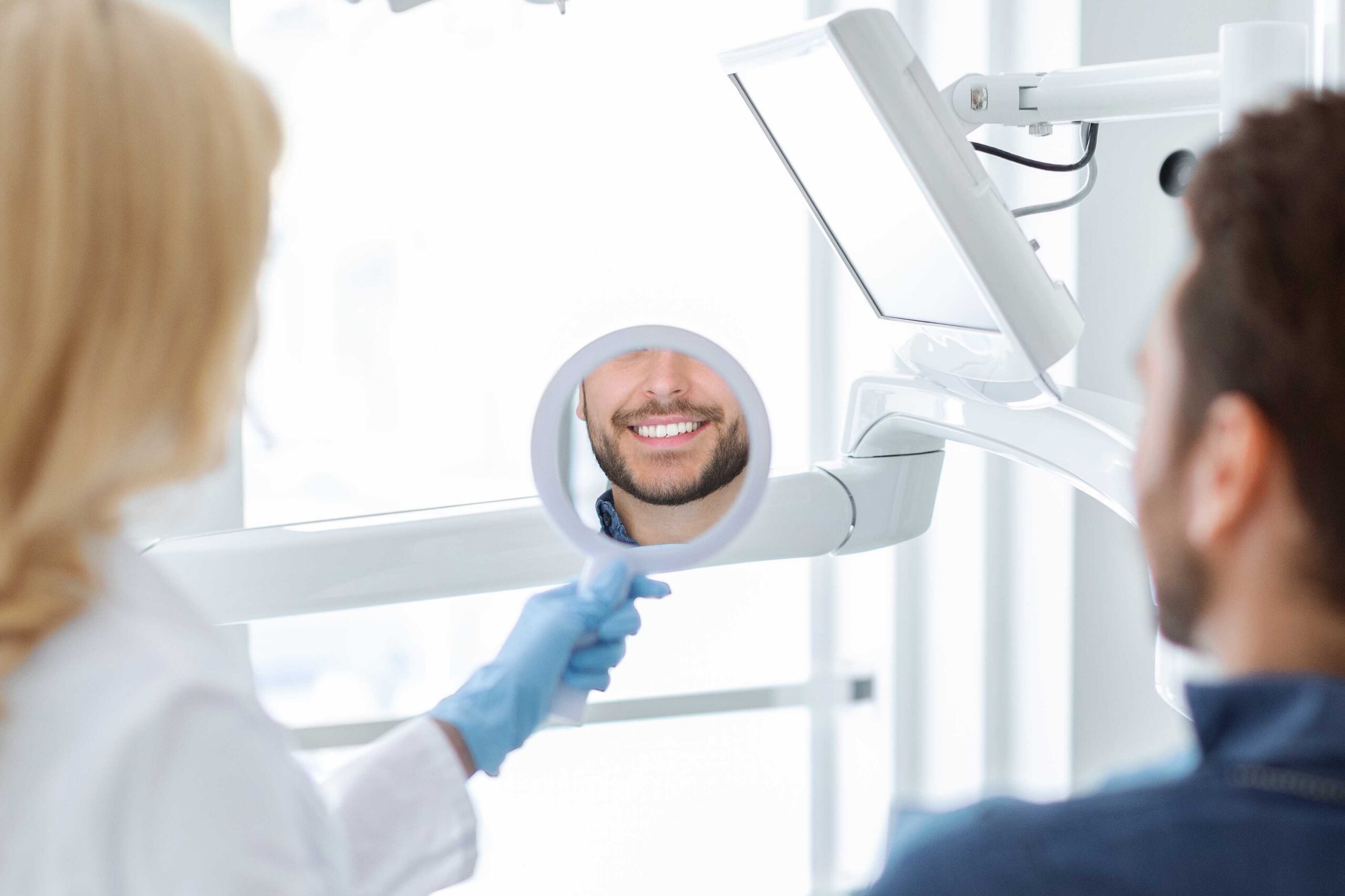
Teeth whitening Rockville, MD may help selected patients brighten natural enamel stains caused by foods, drinks, aging, or surface discoloration. A dental exam is recommended first because whitening does not change fillings, crowns, bonding, or veneers, and sensitivity. Cavities, gum health, and enamel wear can affect treatment comfort. Patients in Rockville should understand what type of staining they have, whether whitening is suitable, and whether another cosmetic option may better fit their smile goals.
A brighter smile is often one of the first cosmetic changes patients ask about because it feels simple compared with changing tooth shape or alignment. Coffee, tea, red wine, tobacco, aging, and daily habits can all affect how teeth look over time. In Rockville, MD, whitening may be worth discussing when natural enamels look darker than a patient prefers.
The keyword teeth whitening Rockville, MD may sound straightforward, but whitening works best when the reason for discoloration is understood first. Some stains respond well to whitening. Others are tied to old dental work, trauma, enamel defects, or deep internal changes. A dental exam can help determine whether whitening is a good starting point, or whether bonding, veneers, crowns, or another option may be more appropriate.
Not Every Stain Responds the Same Way
Tooth color can change for different reasons. Surface stains may come from food, drinks, or tobacco. Age-related darkening may happen as enamel becomes thinner, and the inner tooth color shows more. Some stains come from medication history, injury, old fillings, or natural enamel patterns.
Whitening products are designed to brighten natural tooth structure. They do not work the same way on every stain, and they do not change the shade of dental restorations.
Before teeth whitening Rockville, MD, the dentist may check whether the discoloration is mostly on natural enamel or whether existing dental work is part of the concern. This helps avoid mismatched shades after whitening.
Why a Dental Exam Comes First
A whitening visit should begin with oral health, not shade selection. Cavities, gum inflammation, enamel wear, exposed roots, and cracked teeth may affect comfort or suitability.
Whitening may increase sensitivity in some patients, especially if the teeth already react to cold air or drinks. Gum irritation may also be a concern if trays or whitening material are not planned carefully.
A dentist in Rockville, MD can review enamel, gum health, dental work, sensitivity, and patient goals before discussing whitening. This helps patients understand whether whitening can be started or whether another concern should be treated first.
Professional Whitening Compared with Store Options
Patients often compare professional whitening with strips, gels, toothpaste, and other store-bought products. Over-the-counter products may help with some surface stains, but they are not customized to a patient’s mouth.
Professional whitening allows the dental team to evaluate oral health first and discuss shade goals more carefully. Depending on the method, whitening may involve in-office treatment, take-home trays, or other dentist-guided options.
The best teeth whitening Rockville, MD for one patient may not be best for another. Sensitivity, stain type, enamel condition, dental restorations, and patient habits all affect what may be recommended.
Whitening Does Not Change Dental Restorations
This is one of the most important points for patients to know. Whitening does not brighten fillings, crowns, bonding, bridges, or veneers.
If visible restorations are already matched to the current tooth shade, whitening natural teeth may make those restorations look darker by comparison. This does not mean whitening cannot be done but planning matters.
A dentist may discuss whitening before replacing an old filling or crown, so the new restoration can be matched to the brighter shade. The sequence can affect how natural the result looks.
When Veneers May Be Discussed Instead
Some smile concerns look like whitening problems but are shade, shape, or surface concerns. A tooth with deep internal discoloration, old bonding, worn edges, or uneven enamel may not respond to whitening the way a patient hopes.
In those cases, dental veneers in Rockville, MD may come up as part of a broader cosmetic conversation. Veneers cover the front surfaces of selected teeth and may change shade, shape, size, or surface texture.
Veneers are not a replacement for whitening in every case. They are a different type of treatment and require evaluation of enamel, gums, bite pressure, and tooth structure.
Sensitivity Should Be Discussed Early
Some patients already have sensitive teeth before they are white. Others notice sensitivity during or after whitening. The cause may involve enamel wear, gum recession, cracks, cavities, or exposed root surfaces.
A patient should tell the dentist about cold sensitivity, sharp twinges, or discomfort with brushing. These details help guide the whitening discussion.
The dentist may recommend treating decay or gum issues first, changing the whitening approach, spacing treatment differently, or choosing another cosmetic option. Suitability depends on the patient’s mouth.
Habits That Affect Whitening Results
Whitening does not stop future staining. Coffee, tea, red wine, tobacco, dark sauces, and certain daily habits may affect how long teeth stay brighter.
Good brushing, flossing, and regular cleanings can help reduce stain buildup. Patients may also be advised to follow specific care instructions after whitening, depending on the method used.
At Dr. Joseph Boesch, whitening conversations may include stain sources, oral hygiene, sensitivity, existing dental work, and realistic shade planning, so patients understand what whitening can and cannot change.
What Whitening May Help Improve
Whitening may be useful for patients whose main concern is natural tooth color. It may help when stains are mostly related to foods, drinks, tobacco, or normal aging.
Whitening may be discussed for:
- Yellowing natural enamel
- Surface discoloration
- General dullness in the smile
- Stains from common drinks or foods
- Shade planning before cosmetic dental work
- A brighter look before a major event
- Maintenance after past whitening
- The right plan depends on oral health, stain type, sensitivity risk, and patient goals.
What to Expect During a Whitening Consultation
A whitening consultation often begins with the patient’s main concern. The dentist may ask what shade changes the patient’s wants, whether sensitivity is already present, and whether past whitening has been tried.
The exam may include teeth, gums, enamel, existing restorations, and signs of decay or wear. Photos or shade checks may be used when helpful.
If whitening appears suitable, the dentist may explain the whitening method, expected care instructions, possible sensitivity, and maintenance. If whitening is not the best choice, other cosmetic options may be discussed.
Local Patient Review
“I thought whitening would fix one darker tooth, but the visit helped me understand why it looked different. I appreciated learning what whitening could help and what needed another option.”
A Brighter Smile Starts with the Right Reason
Whitening can be helpful when the main concern is natural enamel shade, but it should be planned around oral health, sensitivity, and existing dental work. For patients in Rockville, MD, Dr. Joseph Boesch can review discoloration concerns and explain whether whitening or another cosmetic option may fit.
Frequently Asked Questions
Who may be a good candidate for teeth whitening Rockville, MD?
Whitening may suit patients with healthy teeth and gums who want to brighten natural enamel stains. A dental exam helps confirm whether whitening is appropriate.
Does whitening work on crowns or fillings?
No, whitening does not change crowns, fillings, bonding, bridges, or veneers. Shade planning is important if visible dental work is present.
Can whitening cause sensitivity?
Some patients may notice temporary sensitivity. Existing enamel wear, gum recession, cracks, or cavities can affect comfort, so these should be checked first.
What are the best teeth whitening Rockville, MD options?
The best option depends on stain type, sensitivity, dental restorations, enamel condition, and goals. A dentist can explain which approach may fit your mouth.
Can whitening remove all stains?
Not always. Surface stains may respond better than deep internal discoloration, trauma-related darkening, or stains linked to old dental work.
Should I whiten before getting veneers?
Sometimes whitening natural teeth first helps with shade planning. Your dentist can explain the best sequence based on your smile and restorations.
How long do whitening results last?
Results vary based on diet, habits, oral hygiene, and routine cleaning. Touch-up care may be discussed depending on the whitening method.
Can I whiten if I have gum disease?
Gum health should be evaluated first. Active gum inflammation or untreated dental problems may need to care before whitening is considered.