
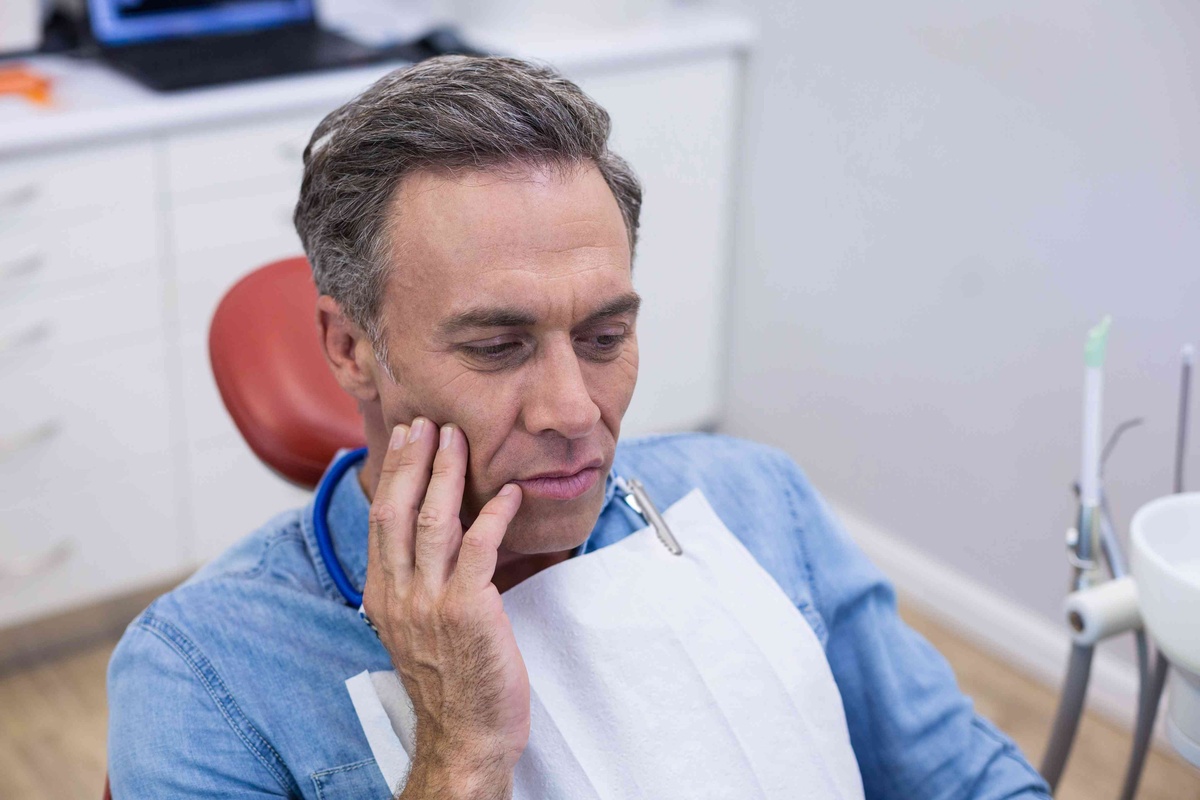
An emergency dentist in Rockville, MD may be needed for severe tooth pain, swelling, broken teeth, dental trauma, uncontrolled bleeding, fever, or signs of infection. Patients in Rockville should seek prompt dental evaluation when symptoms are serious, spreading, or getting worse. Emergency dental care helps identify whether the problem involves decay, cracks, gum infection, damaged restorations, tooth nerve inflammation, or injury before final treatment is planned.
Dental pain can interrupt normal life quickly. A patient in Rockville may wake up with throbbing pain, bite down and feel a sharp crack, or notice swelling near the gumline. Another person may lose a crown, break a filling, or injure a tooth during a fall or sports activity.
An emergency dentist in Rockville, MD can help when symptoms are sudden, severe, or connected to trauma or infection signs. Urgent dental care is not only about short-term comfort. It helps find the cause of the problem, lower risk, and guides the next step. Severe swelling, fever, facial injury, uncontrolled bleeding, or a knocked-out adult tooth should be checked promptly. If swelling affects breathing or swallowing, emergency medical care is needed right away.
What Counts as a Dental Emergency
A dental emergency often involves pain, swelling, infection signs, trauma, bleeding, or broken dental work that affects comfort or function. Severe toothache, a knocked-out tooth, a broken tooth, abscess symptoms, and facial swelling should not be ignored.
A lost filling or crown may also need urgent attention if the tooth is painful, sharp, or sensitive. A small chip with no pain may not need the same response, but it should still be examined.
An emergency dentist in Rockville, MD visit begins with diagnosis. The dentist needs to understand whether the concern comes from decay, crack, gum infection, bite pressure, damaged dental work, or injury.
Tooth Pain Can Be Hard to Trace
Tooth pain does not always stay in one place. A problem in one tooth can feel like pain in the jaw, ear, temple, or nearby teeth. This can make it difficult for patients to know where the pain started.
A Rockville emergency dentist may check several teeth, not only the one that feels sore. X-rays, bite testing, cold testing, gum checks, and a visual exam may be recommended depending on the symptoms.
This matters because different causes need different care. A deep cavity, cracked tooth, gum abscess, injured nerve, and loose restoration cannot be treated the same way.
When Pain Should Not Be Watched Too Long
Some patients wait because the pain fades for a few hours. This can be risky. A tooth can feel better for a short time even when infection, nerve irritation, or deep decay is still present.
An emergency dentist in Rockville, MD can evaluate whether a tooth needs temporary support, a filling, root canal evaluation, removal, medication when clinically needed, or follow-up treatment. Early evaluation may give the dentist more options than waiting until the tooth is severely damaged.
Pain that wakes a patient at night, worsens with heat, or becomes intense when biting should be checked. These symptoms may point to a deeper tooth concern.
Swelling and Infection Signs
Swelling around a tooth, gum, jaw, or face may be linked to infection, trauma, gum disease, or deep decay. A bad taste, fever, tenderness, or a pimple-like bump on the gum may also suggest infection.
A Rockville emergency dentist should evaluate swelling that is growing, painful, or connected to fever. Patients should not try to drain swelling at home because this can irritate tissue and delay proper care.
If swelling spreads toward the eye, neck, or throat, it can become more serious. Breathing or swallowing trouble needs emergency medical care.
Broken Teeth and Lost Dental Work
A broken tooth may be a small chip or a deeper fracture that reaches the nerve. Pain level alone does not always show how serious the break is. Some teeth with deeper cracks may hurt only while chewing.
If a crown or filling comes loose, the patient should save the piece if possible and avoid chewing on that side. Household glue should never be used for dental work.
Sharp edges can irritate the tongue or cheek. A dentist can check whether the tooth can be repaired, needs a crown, requires root canal evaluation, or cannot be restored.
When Tooth Removal May Be Discussed
Some urgent visits show that a tooth is too damaged to save. A deep fracture, severe infection, major bone loss, or lack of remaining tooth structure may lead to a discussion about removal.
Emergency tooth extraction in Rockville may be considered only after the dentist evaluates the tooth, symptoms, X-rays when needed, and surrounding tissues. Tooth removal is not the first answer for every painful tooth.
If removal is recommended, the dentist should explain why the tooth cannot be restored and what follow-up care may be needed. Replacement options can be discussed after the urgent problem is controlled.
When a Root Canal May Be Needed
Some emergencies involve soft tissue inside the tooth. Deep decay, cracks, trauma, or repeated dental work can inflame or infect the tooth nerve.
An emergency root canal may be discussed if the tooth can still be saved, and the source of pain is inside the tooth. The dentist removes infected or inflamed tissue from the canal space and later restores the tooth with a filling or crown when appropriate.
Root canal care is different from extraction. It is meant to preserve the natural tooth when the tooth is still restorable after evaluation.
What Emergency Dental Care Is Meant to Do
An emergency dental visit is meant to identify the cause of the problem and reduce risk. It may not always complete the final repair in one visit, especially if infection, swelling, or complex damage is present.
The dentist may stabilize the area, smooth a sharp edge, place temporary material, recement a crown when suitable, drain infection when appropriate, or plan follow-up care. The exact step depends on the diagnosis.
Patients should leave with a clear understanding of what was urgent, what was done, and what still needs attention.
Why Delaying Care Can Make Problems Harder
Dental problems often become more difficult when care is delayed. A cavity can reach the nerve. A crack can spread. Infections can move into the surrounding tissues. A loose crown can expose a vulnerable tooth.
A second look at emergency tooth extraction in Rockville may come up if a tooth that could once have been repaired becomes too damaged to restore. This is why early evaluation matters when pain, swelling, or trauma appears.
Seeking care does not mean major treatment will always be needed. Sometimes the visit provides reassurance, temporary protection, or a clear repair plan.
How Root Canal Decisions Are Made
A second discussion about an emergency root canal may happen after testing shows that the tooth nerve is inflamed or infected. The dentist may check response to cold, heat, tapping, biting, and X-rays before recommending care.
A root canal is considered when the tooth has enough remaining structure and support to be restored. If the tooth is split or too weak, another treatment may be discussed.
The dentist should explain why root canal care may help, and what final restoration may be needed afterward.
What Patients May Gain from Urgent Dental Care
Emergency care can help patients move from worry to direction.
It may help:
- Find the source of severe tooth pain
- Check swelling or infection signs
- Stabilize a broken tooth
- Evaluate a knocked-out or injured tooth
- Review lost crowns or fillings
- Reduce sharp edges that irritate the mouth
- Decide whether root canal treatment or removal may be needed
- Plan final repair after the urgent issue is stable
- Know when medical care is needed
- The purpose is to guide care based on what the dentist finds.
What to Expect During the Visit
Before treatment, the dental team reviews symptoms, health history, medications, allergies, and what happened. Patients should explain when pain starts, whether symptoms are worsening, and whether swelling, fever, trauma, or bleeding is present.
During the exam, the dentist may check teeth, gums, bites, jaws, and nearby tissues. X-rays may be recommended to look for decay, infection, fractures, bone changes, or hidden damage.
After diagnosis, emergency dental care may include temporary treatment, final repair if appropriate, medication when clinically needed, or a plan for follow-up. Patients should understand the next step before leaving.
Local Patient Review
“I thought the tooth pain would settle, but it kept getting worse when I chewed. The visit helped explain the cause and what needed to happen next.”
Urgent Dental Care Should Bring Clear Direction
Dental pain, swelling, broken teeth, and injuries can feel stressful, but a prompt exam can help Rockville patients understand the cause and next step. For urgent symptoms that need calm evaluation and practical guidance, Dr. Joseph Boesch can help focus on comfort, safety, and long-term oral health.
Frequently Asked Questions
What symptoms should not wait?
Severe tooth pain, swelling, fever, trauma, uncontrolled bleeding, or infection signs should be checked promptly.
Is a broken tooth always urgent?
It depends on pain, depth, sharp edges, and sensitivity. A deep break or painful tooth should be evaluated quickly.
What should I do if a tooth is knocked out?
Handle an adult tooth with the crown, keep it moist, and seek urgent dental care right away. Baby teeth need different guidance.
Can swelling near a tooth be serious?
Yes. Swelling may suggest infection. If it spreads or affects breathing or swallowing, emergency medical care is needed.
Can a lost filling wait?
A lost filling should be checked, especially if the tooth is sensitive, sharp, painful, or hard to chew on.
Will final treatment happen during the urgent visit?
Sometimes, but not always. The dentist may first stabilize the problem and then plan follow-up care.
Why does tooth pain come and go?
Pain may change with pressure, temperature, infection, or nerve irritation. Pain that returns should still be checked.
Should I use home remedies for swelling?
Home methods should not replace dental care. Do not try to drain swelling or place aspirin directly on the gums.